Style
Orange wine styles
Orange wine is a range, not one flavor. The useful split is how long the skins stayed in the juice, because that decides the color, the tannin, and what you eat with it.
Updated October 2026
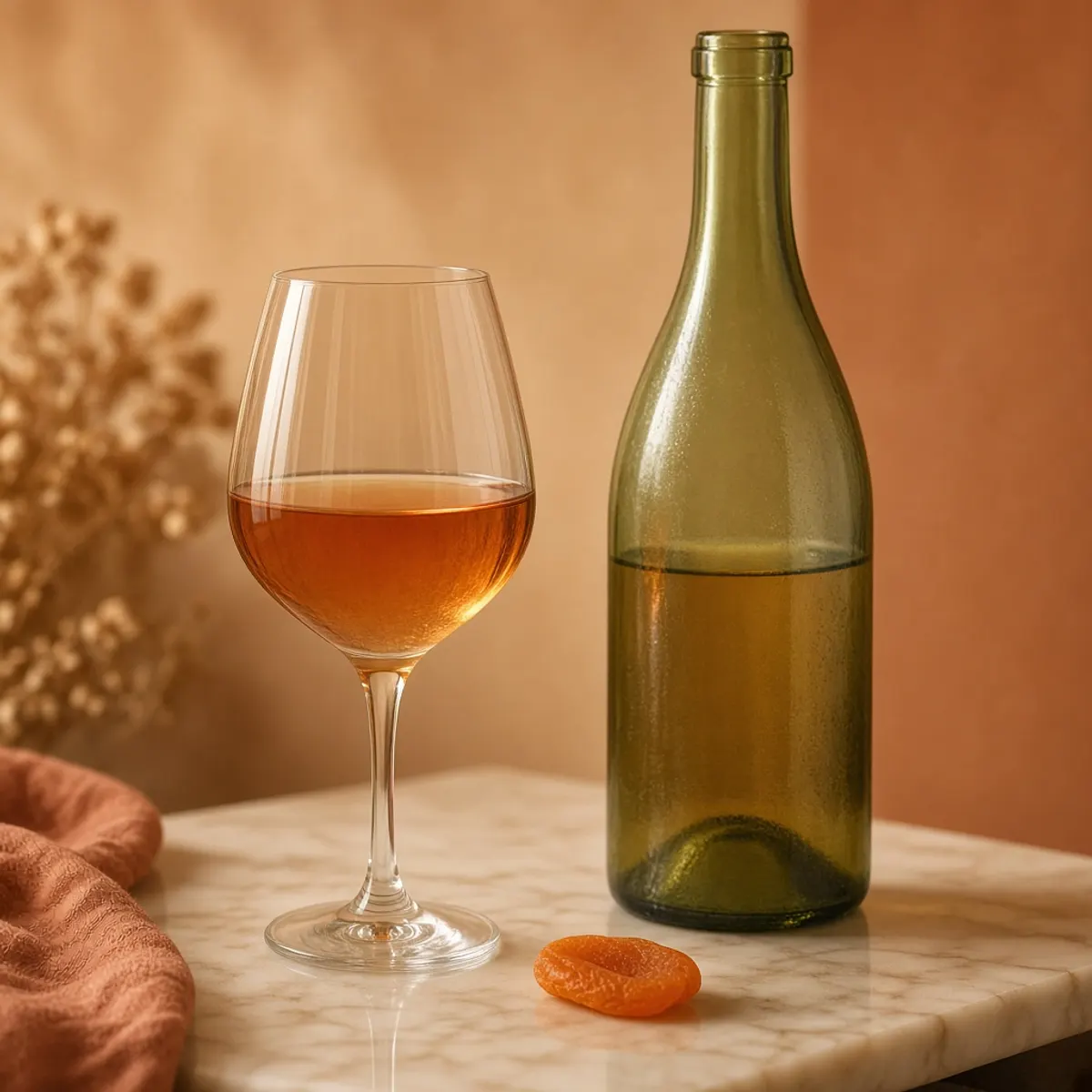
Pale copper
This is the beginner end. Skins stay in for hours or a few days. The wine looks like deep gold or onion skin and still feels close to white wine, with extra aroma and a light grip. Italian ramato Pinot Grigio sits here. So do many Friulian and Slovenian bottles made for the table.
If a friend says they dislike orange wine after one cloudy, tannic glass, this is the style to try next. Lunella Orange and the other starter bottles are the easy first glasses.
Middle amber
A few weeks of skin contact brings tea, dried citrus, and a finish you can feel. Ribolla Gialla from Friuli or western Slovenia is a classic example: herbal, pear-skinned, and savory rather than sweet. These wines like olive oil, nuts, and roasted vegetables. The food matches page stays at that level of advice.
Deep amber
Months on the skins, often in clay, make a wine the color of strong tea. Georgian amber wines from Rkatsiteli are the reference. They can taste of walnut, dried apricot, and spice, and they stand up to richer food. Read amber wine before you expect this from every bottle labeled orange.
Questions people ask
Which orange wine style should I start with?
A short maceration or a ramato Pinot Grigio. Both keep the freshness of white wine and add a little color and texture.
Are all orange wines natural wines?
No. Many are made by producers who also work in a low-intervention way, and many are not. Color does not certify farming. See natural wine and orange wine.